Smart Replacement: Increasing Order Reliability in Zé Delivery and TaDa Delivery Apps
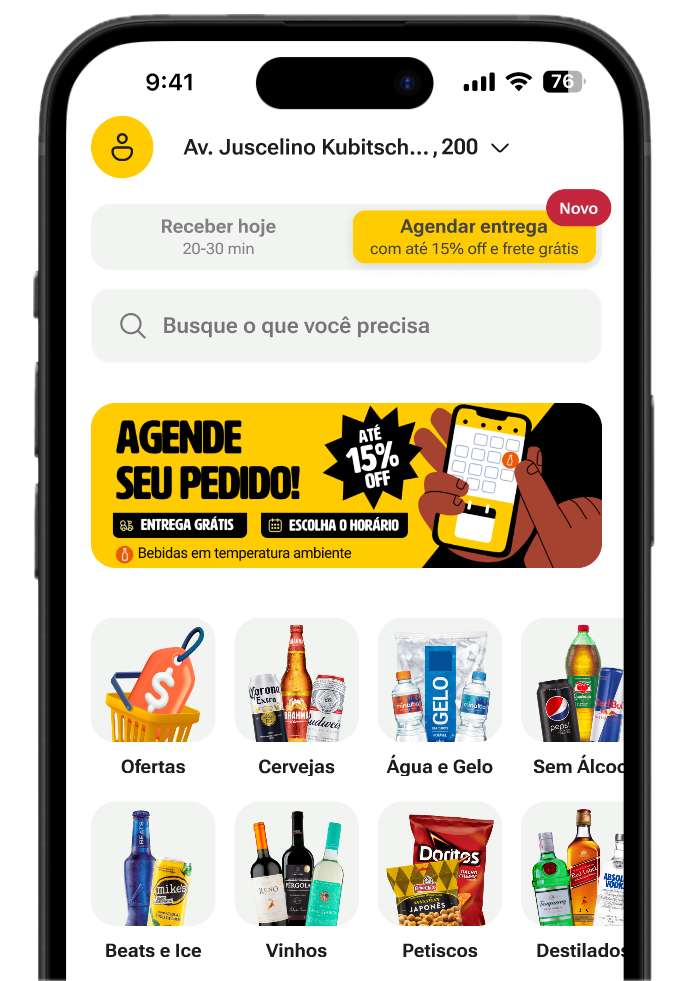
Zé Delivery (Brazil) and TaDa (Latin America) are AB InBev’s beverage delivery apps, delivering cold drinks in minutes. During peak demand, stock shortages after checkout caused unexpected replacements and order cancellations. This project focused on solving these two key experience problems.
Product Design Process
Discovery
Understand the business goals, product context, and user needs through research and interviews.
Ideation
Map flows, define features, and transform insights into actionable design solutions.
Prototyping
Create wireframes and interactive prototypes for validation and stakeholder alignment.
Testing
Conduct usability tests and refinements before handoff to development.
Problem and Metrics
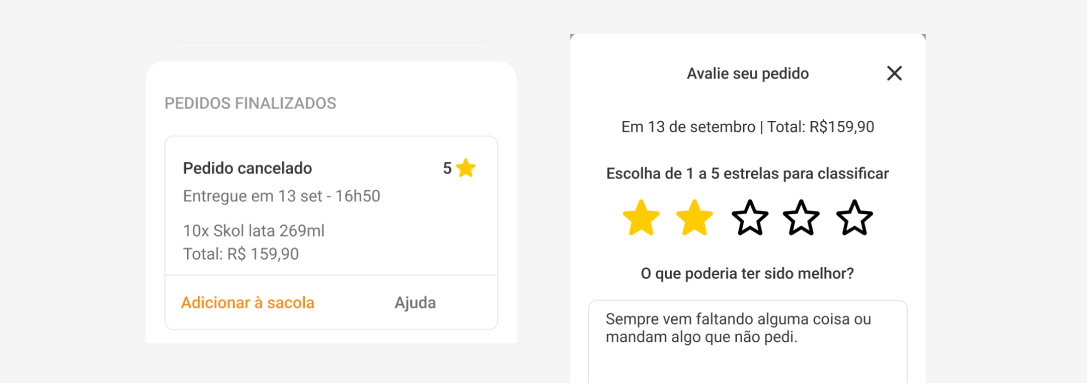
During high-demand periods, some products would run out of stock after checkout. When this happened, the store responsible for fulfillment would either:
- Replace the item with a similar product, or
- Cancel the item from the order
From the user’s perspective, this resulted in:
- Frustration and confusion
- Incomplete or canceled orders
- A noticeable drop in trust toward the app

14% of all orders had at least one item out of stock
27% of tickets were related to unexpected substitutions
55% didn’t fully understand their coverage.
Findings and Insights
Research Activities:
- Analysis of customer support tickets and complaints
- Investigation of out-of-stock patterns
- Repurchase and retention metrics analysis
- User interviews in Brazil and Mexico
Key Insights:
The core issue was not the substitution itself, but the lack of clarity and control.
Without transparency or choice, users felt that the app was deciding for them.
Smart Replacement Feature
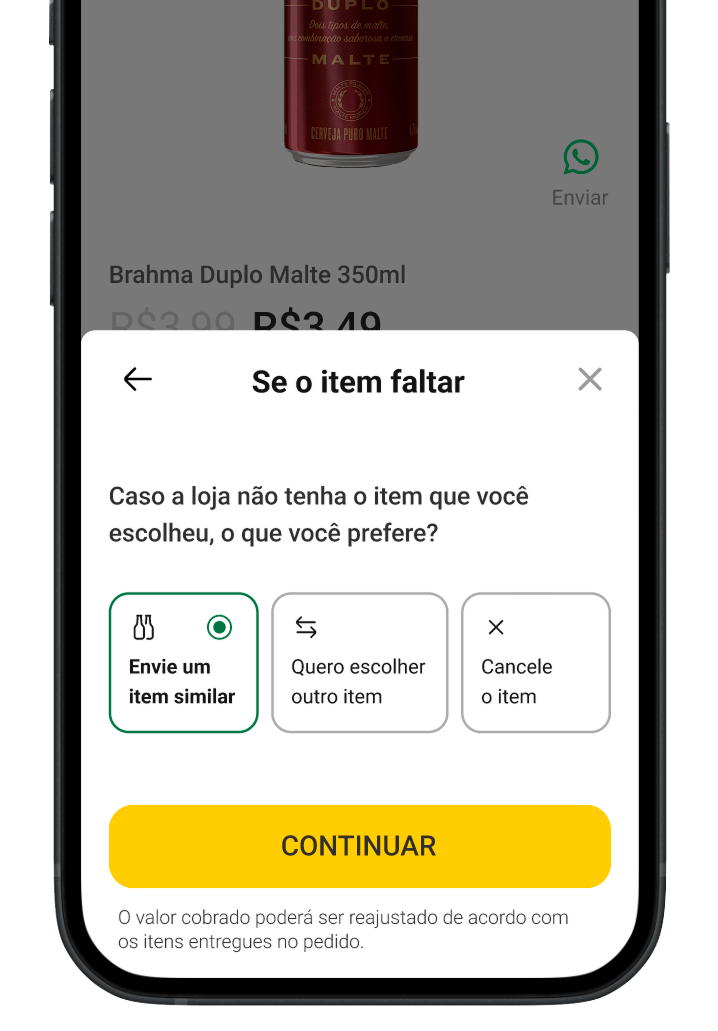
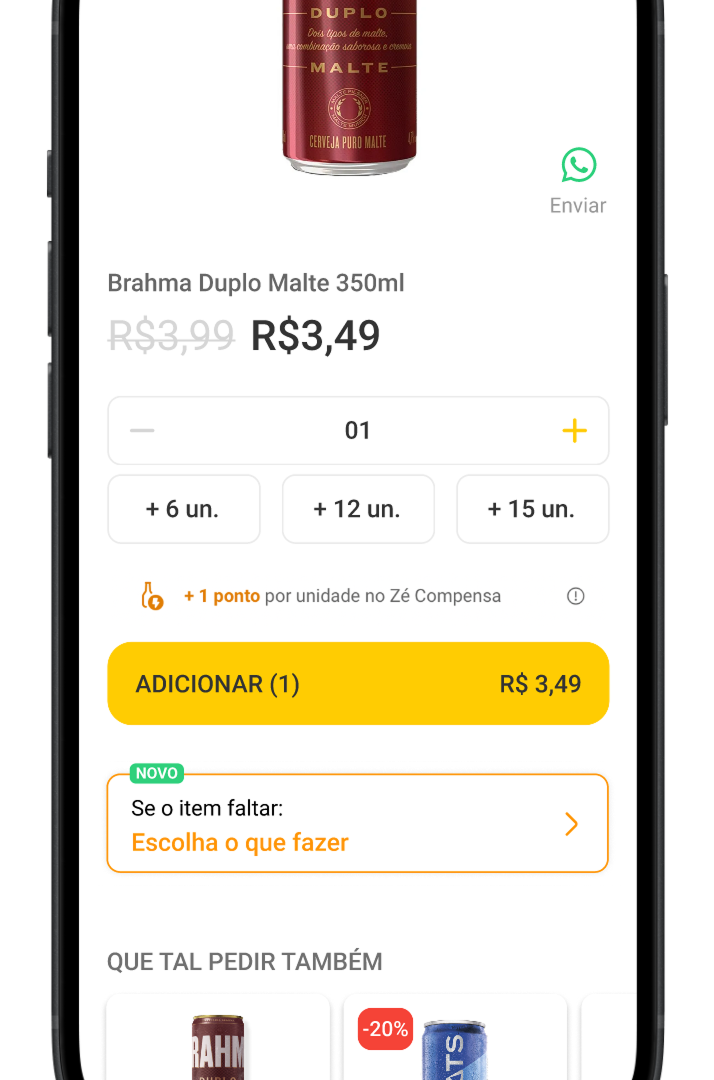
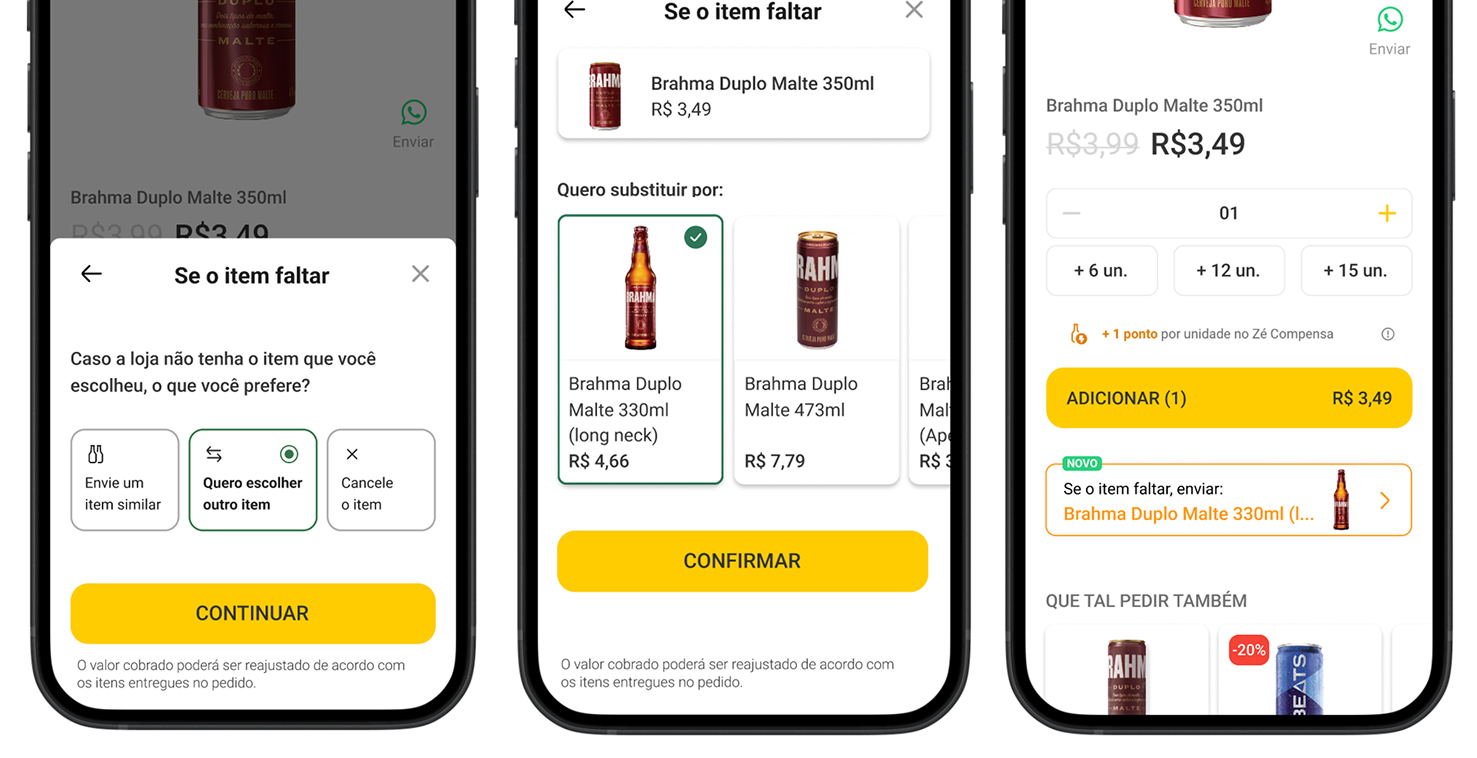
We designed a feature that allows users to define replacement preferences during checkout, before completing the order.
Instead of reacting to problems later, users proactively decide how substitutions should be handled.
Smart Replacement Flow
During checkout, users can choose what should happen if an item is unavailable:
- Accept a similar product
- Accept a same-brand alternative
- Accept a replacement within the same price range
- Do not accept replacements and remove the item
These preferences are automatically applied during fulfillment, removing uncertainty for both users and store owners.
Goals & Success
Metrics
After rollout, the main goals for the feature were:
- Reduce complaints related to substitutions by 40%
- Increase post-delivery NPS by +10 points
- Increase repurchase rate after orders with substitutions
Task completion ease of user flows
Using Lyssna for usability testing, I ran task-completion sessions with users to gather insights into the efficiency and ease of user flows.